Fun Tails Coloring Pages (Free Download)
Reviewed by the ColorHippo team • Updated July 22, 2026. Line art tested for fans who want clean prints for markers, pencils, or crayons.
ColorHippo is an independent resource and is not affiliated with game publishers or trademark holders shown in these pages.
Print & Color: Tails Coloring Pages
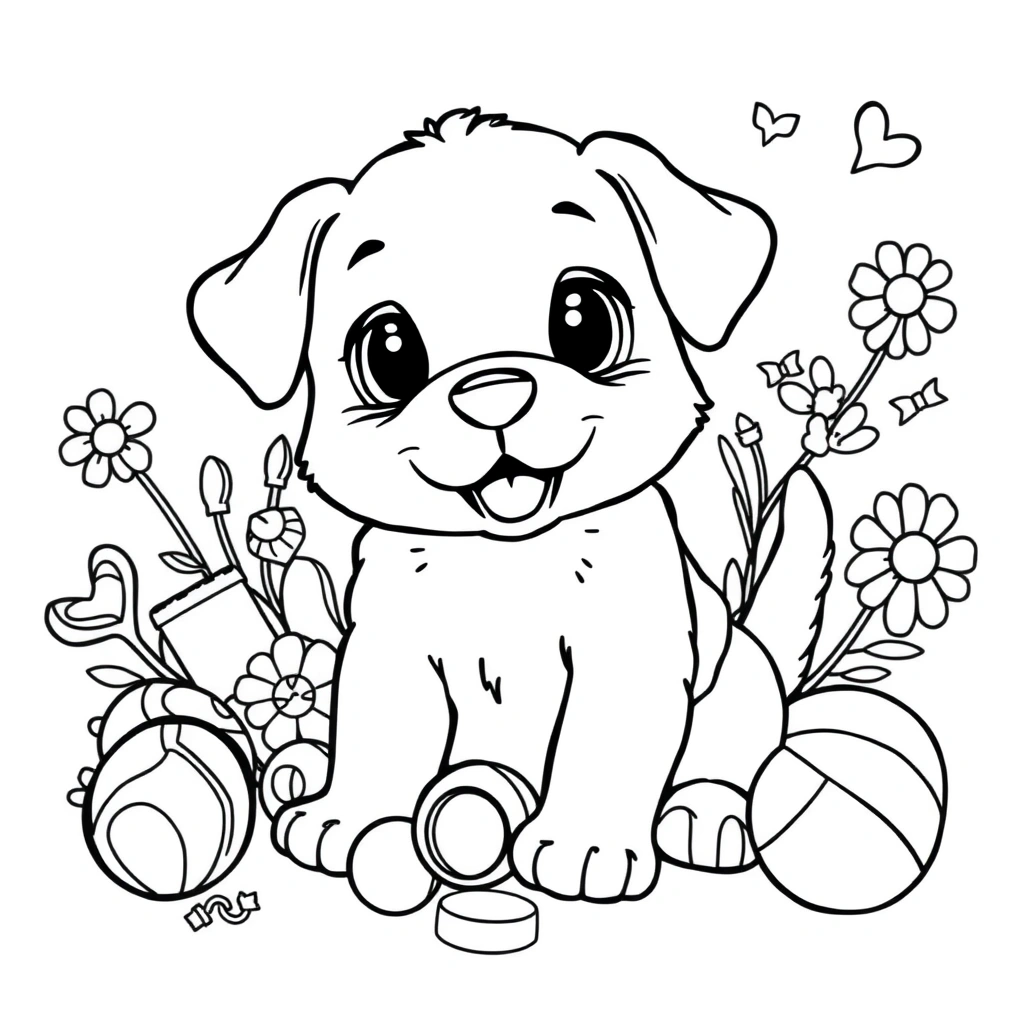
Playful Puppy Tails
Children can learn about cat tails and how they help balance.
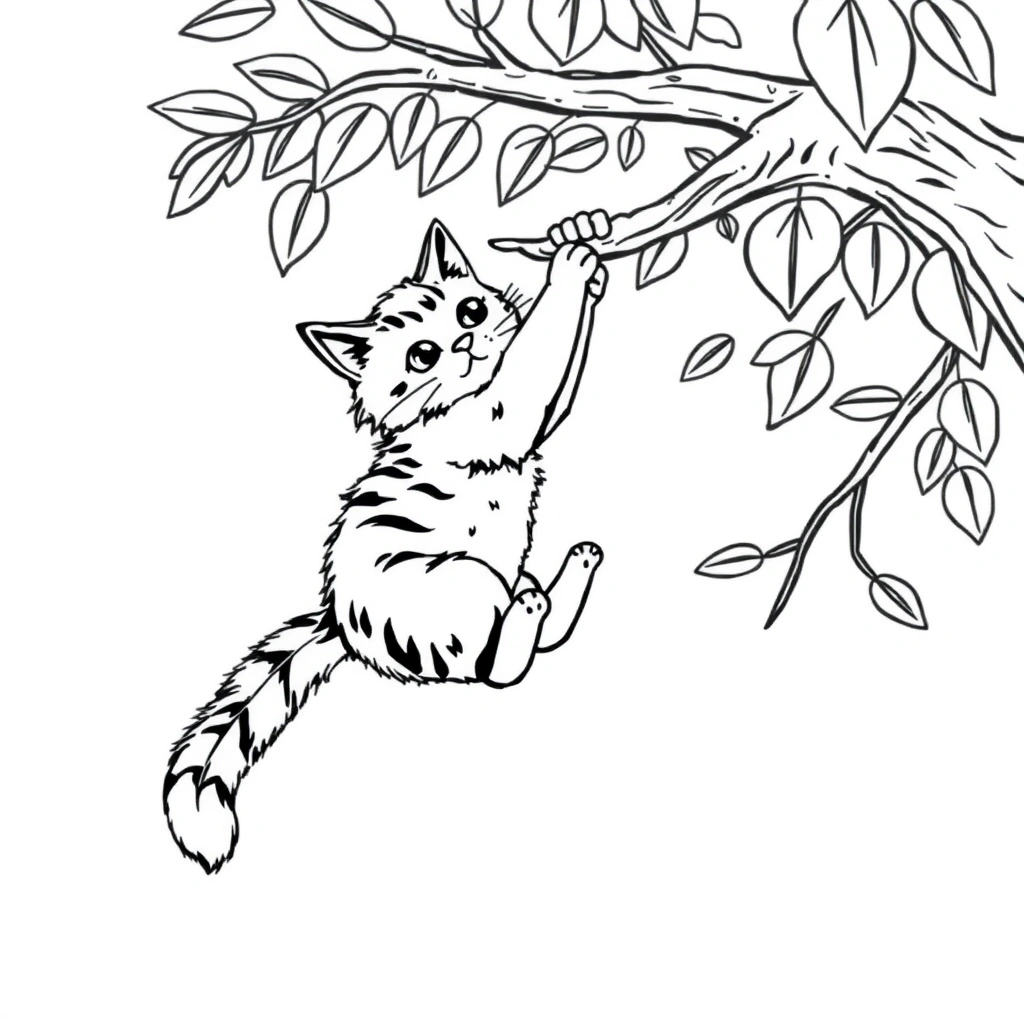
Swinging Cat Tails
This scene helps kids understand how dogs use their tails to express feelings.
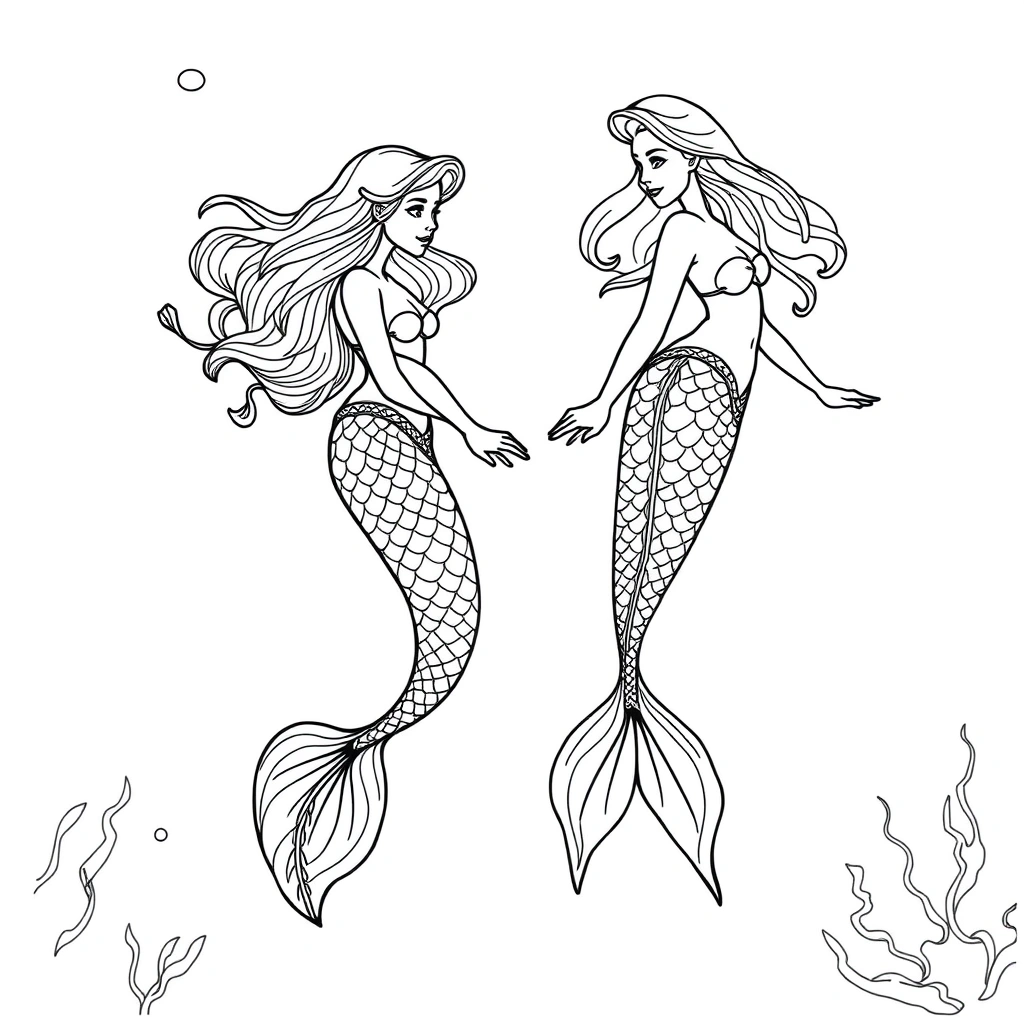
Mermaid Tails
Children can discover how kangaroo tails aid in movement.
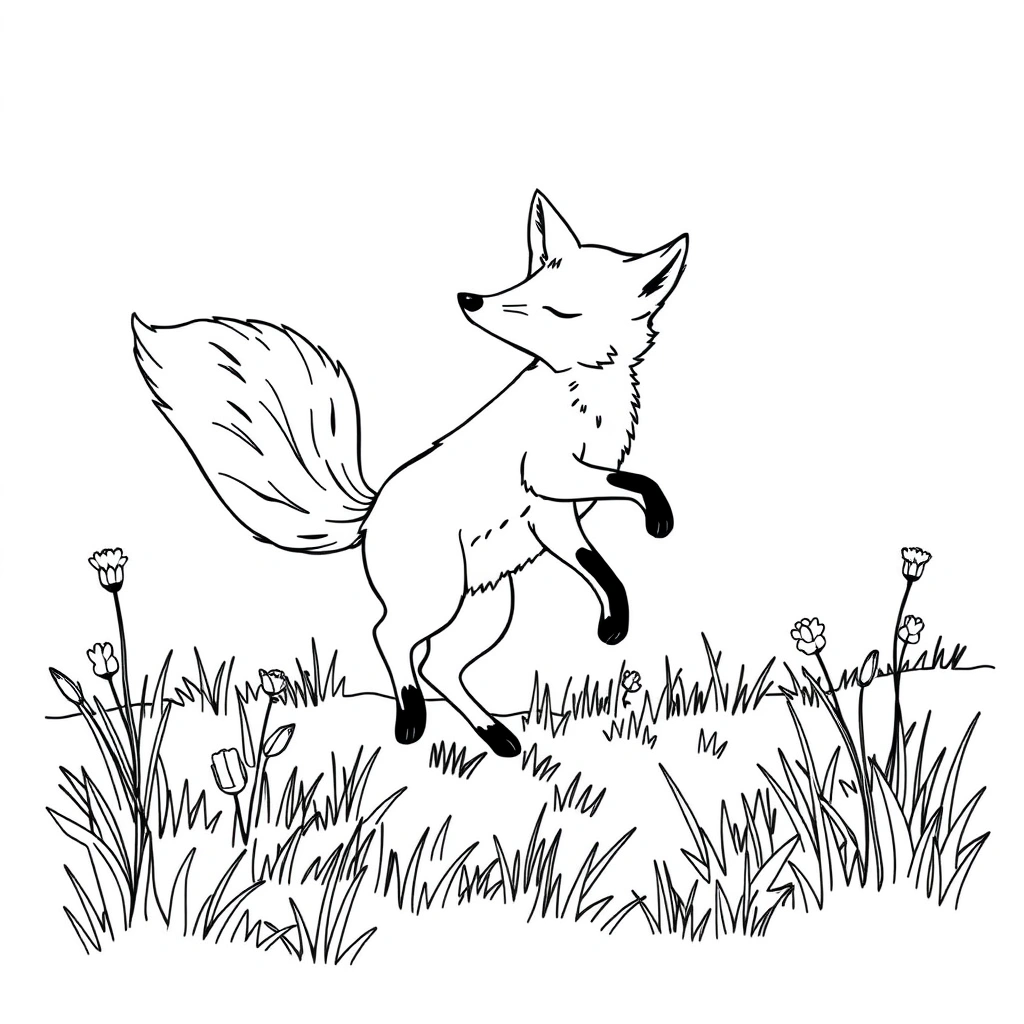
Dancing Fox Tails
In this scene, kids learn about the long tails of peacocks and their role in mating.
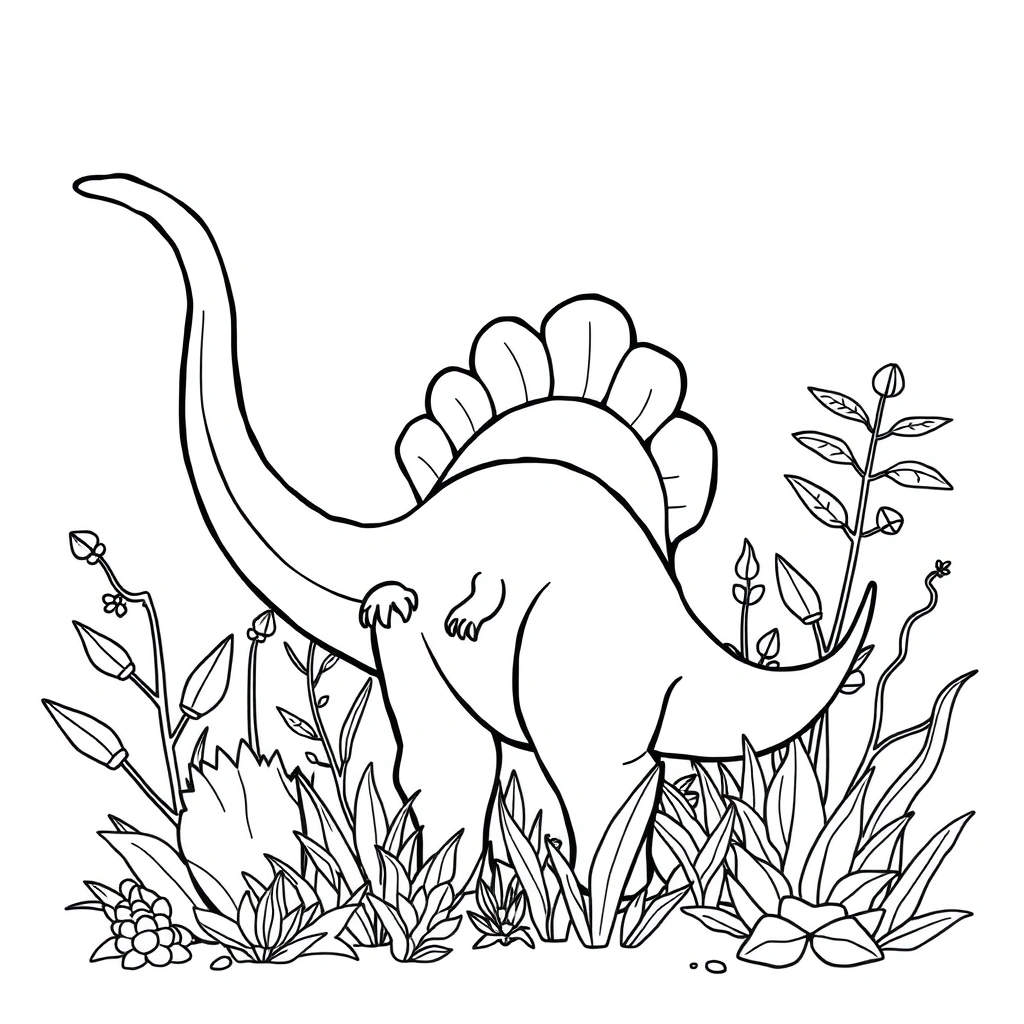
Dinosaur Tails
This image shows how some animals, like lizards, can lose their tails to escape.
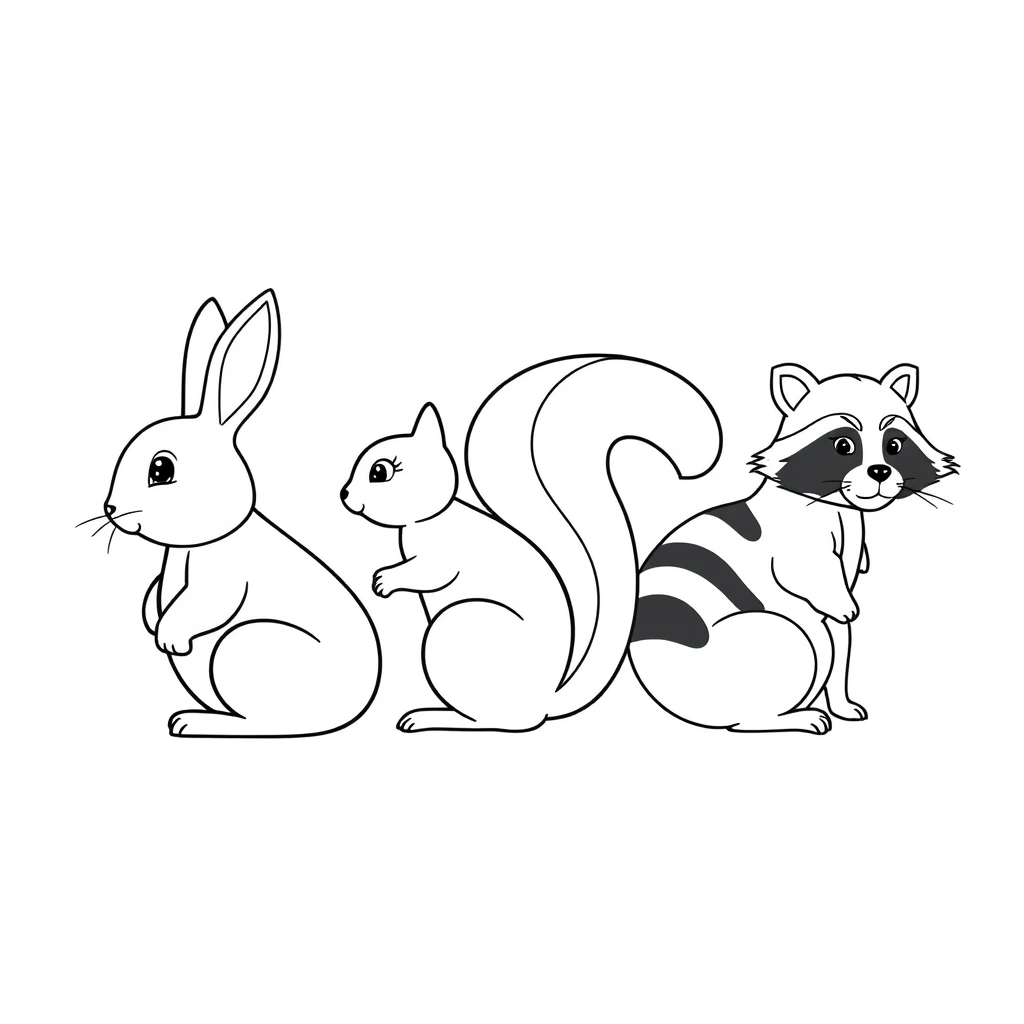
Animal Parade
Here, children can learn about fish tails and how they help in swimming.
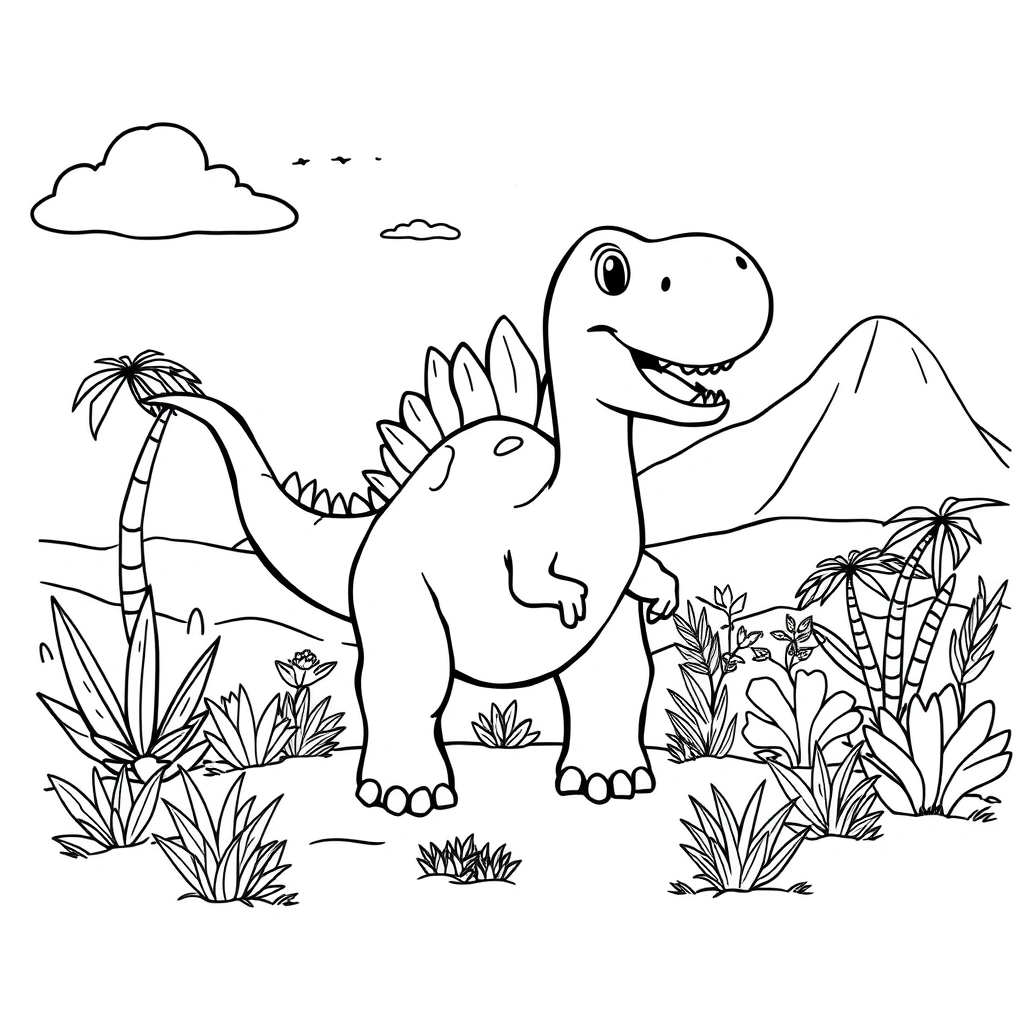
Friendly Dinosaur
This scene highlights how some animals, such as squirrels, use their tails for communication.
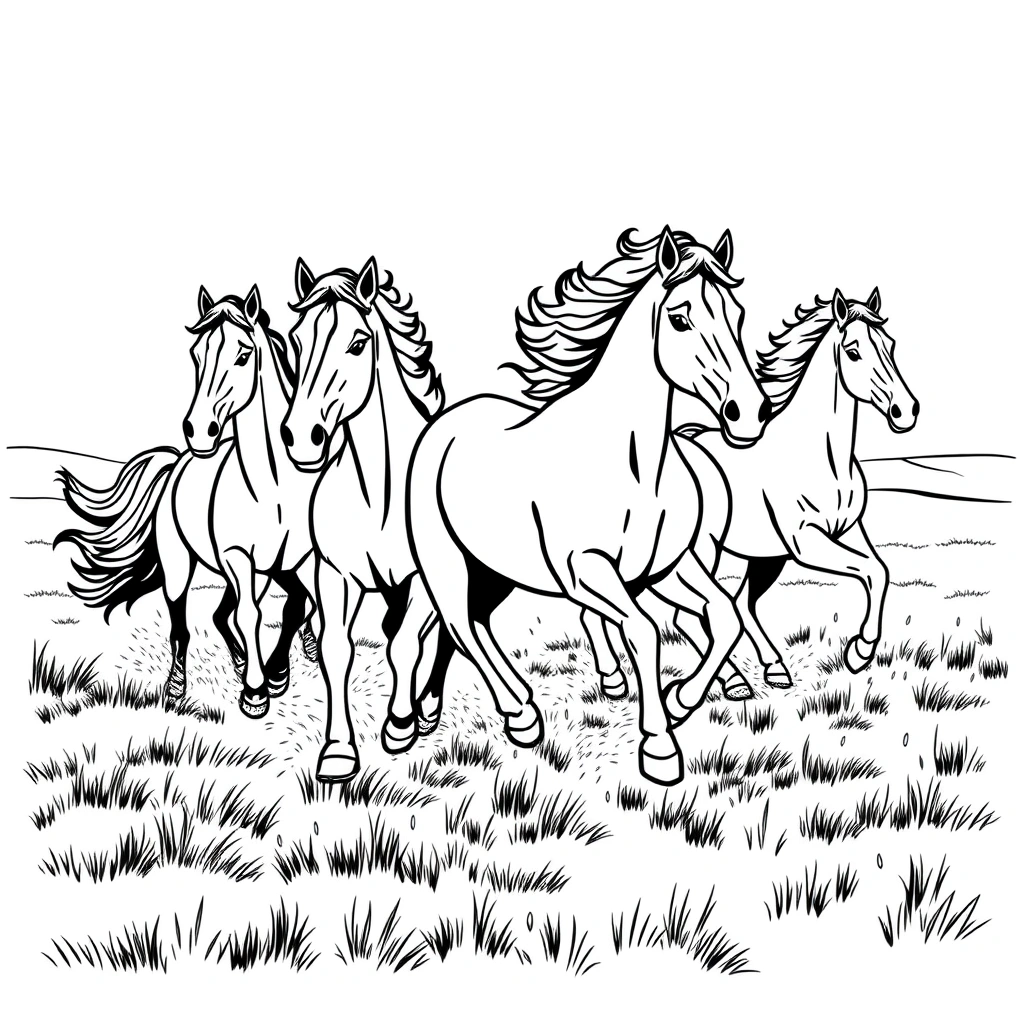
Whimsical Horse Tails
Kids can explore how a monkey's tail assists in tree climbing.
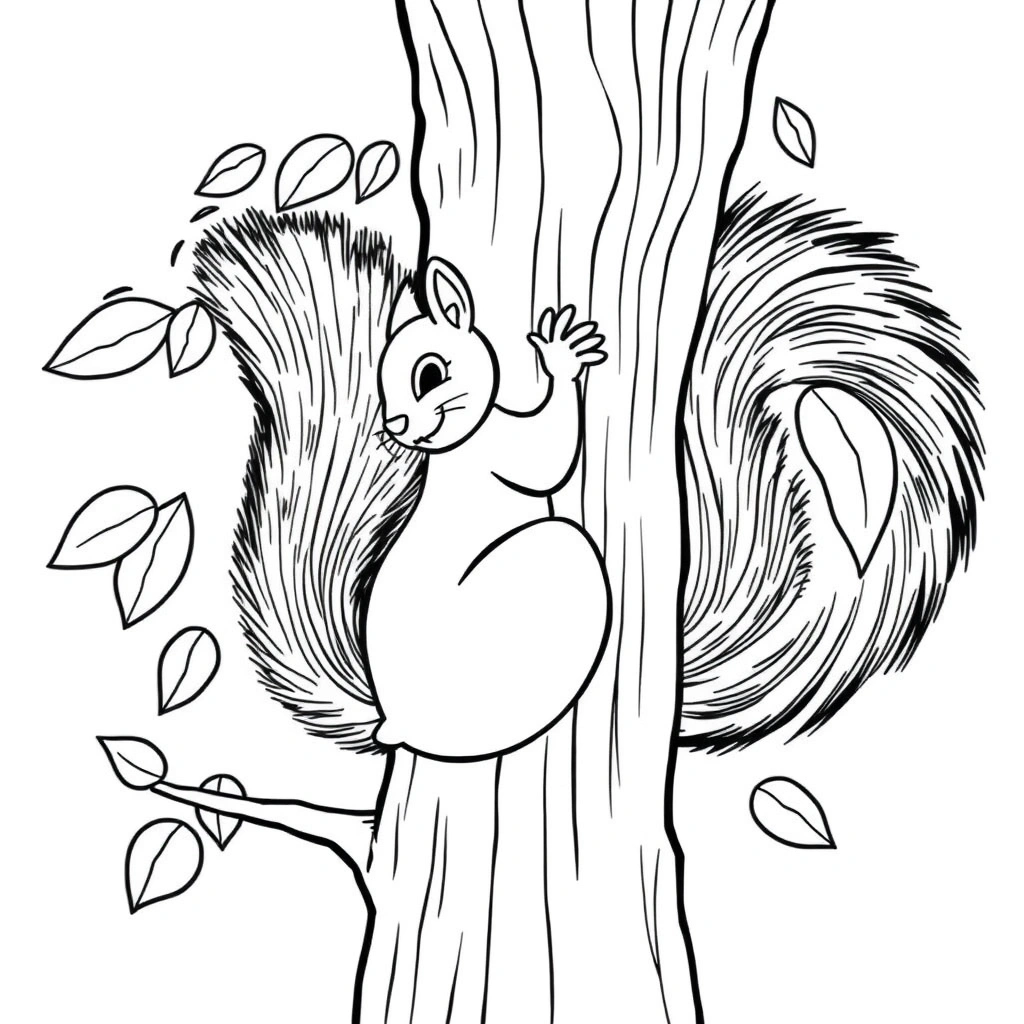
Squirrel Tails
This image presents how tails can be used for balance while running.
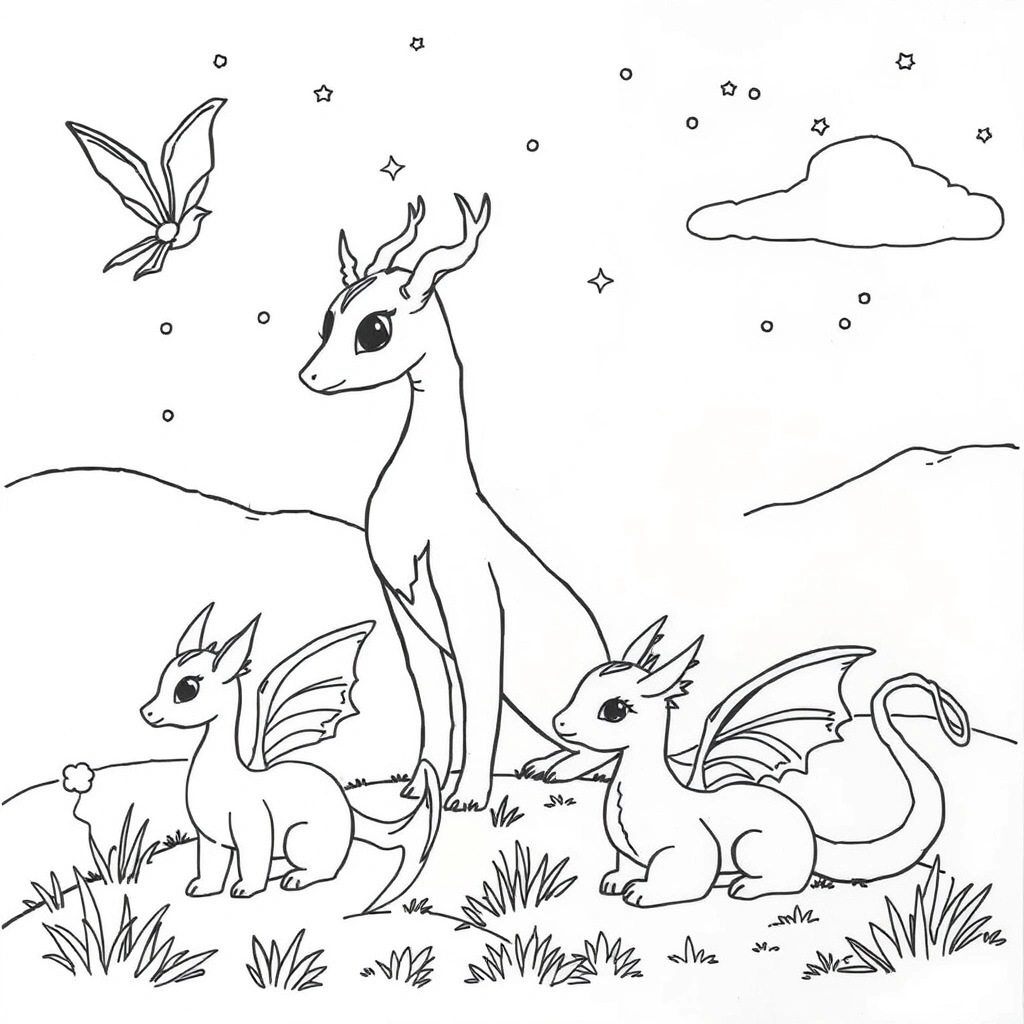
Fantasy Creature Tails
In this scene, children learn how tails can help keep animals warm.
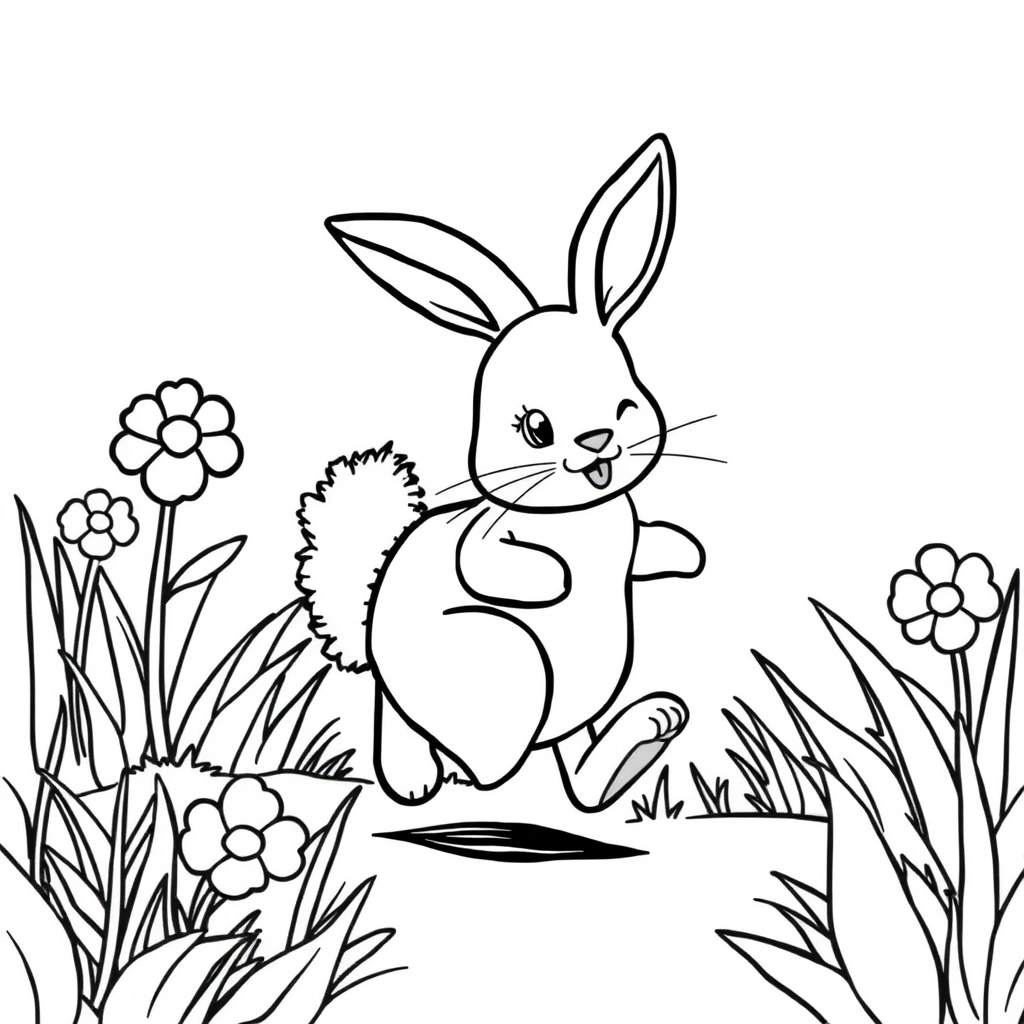
Bunny Tails
This scene demonstrates how various tails differ in size and function among animals.
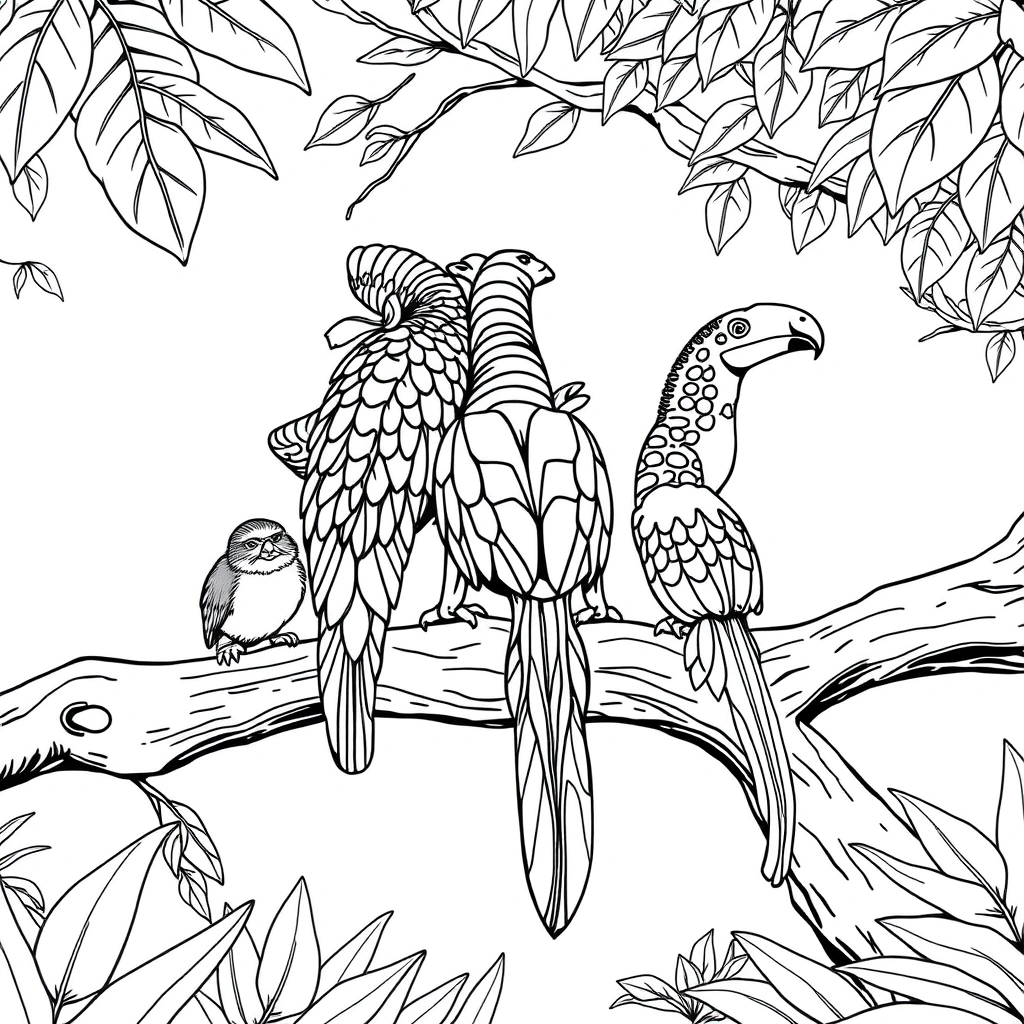
Tails of the Jungle
Here, kids can see how certain things, like tails, can play a role in habitat adaptation.
Tails Wagging Across Every Scene
This tails coloring pages collection brings together all kinds of wagging, swishing, and swaying tails for kids to color. You’ll find playful puppy tails ready for a game of fetch, swinging cat tails curled around invisible corners, and fluffy squirrel tails perched on tree branches. Mermaid tails shimmer with scale patterns waiting for teal and coral hues, while dinosaur tails drag through prehistoric mud. Dancing fox tails flick through autumn leaves, whimsical horse tails sweep across barnyards, and bunny tails hop through garden patches. The animal parade marches every creature together on one page, and fantasy creature tails let imaginations run wild with colors that don’t exist in nature. Tails of the jungle wraps up the adventure with swinging monkey tails and prowling tiger tails among thick vines.
Picking Colors for Every Tail Texture
Soft tails like bunny tails and friendly dinosaur tails work beautifully with light pastels or gentle crayon pressure. Bushy fox tails and squirrel tails reward layered coloring—start with a base brown, then add orange or gold on top for realistic depth. Mermaid tails shine when kids blend blues, purples, and greens, or go metallic if you have gel pens handy. Rough dinosaur tails and scaly jungle tails take well to darker greens and grays with scratchy texture strokes. Simple bold shapes suit ages 3 to 5, while detailed scale patterns and multi-segment animal parades challenge 7 to 10 year olds. For the best results on these free printable sheets, print on standard paper for crayons or slightly heavier stock if markers are the tool of choice.
Perfect Moments to Print These Sheets
Rainy afternoons call for the cozy tails—curl up with cat tails and bunny tails while stories read aloud. Classrooms studying animal adaptations can pull up dinosaur tails and swinging jungle tails to discuss balance and movement. Birthday parties with a creature theme run smoother when mermaid tails and fantasy creature tails keep early guests busy before cake arrives. Waiting rooms, road trips, and restaurant delays all shrink when a few printed sheets hide in a folder. Teachers building a mammals versus reptiles unit can sort by tail type—furry versus scaly—using the animal parade and tails of the jungle as sorting anchors. These pages print fast and fit standard binders for easy storage between sessions.
Build a Moving Tail Puppet Stage
After coloring, turn any tail page into a working puppet. Cut out the finished tail carefully, leaving extra paper at the top. Tape a popsicle stick or strip of cardboard to the back so the tail becomes a handle puppet. Slide the puppets behind a draped table or cardboard box stage with a slit cut at bottom edge. Kids can narrate stories where tails do the talking—a grumpy dinosaur tail that just wants to nap, a mermaid tail that dreams of walking, a fox tail that keeps getting into mischief. Record the performances on a phone to send home to parents. The tails coloring pages become both art supply and script starter, with the colored originals pinned behind the stage as backdrop decorations.
Quick Facts About Tails
Some lizards can shed their tails to escape predators.
The tails of kangaroos are strong enough for them to use it as a fifth limb.
Many dogs wag their tails to show excitement or happiness.
A peacock's tail can be more than 5 feet long and is used to attract mates.
Octopuses have a unique way of moving by using their tentacle-like arms, but they don't have a traditional tail!
Certain types of fish use their tails to propel themselves quickly through water.
You Might Also Like
Mario Coloring Pages (Free)
Discover our collection of free printable mario coloring pages (free) for kids and adults.
Pikachu Coloring Pages (Free)
Discover our collection of free printable pikachu coloring pages (free) for kids and adults.
Minecraft Coloring Pages (Free Printables)
Discover our collection of free printable minecraft coloring pages (free printables) for kids and adults.
Mario Kart Coloring Pages (Free)
Discover our collection of free printable mario kart coloring pages (free) for kids and adults.
Sonic Coloring Pages (Free)
Discover our collection of free printable sonic coloring pages (free) for kids and adults.
Pokemon Coloring Pages — Pikachu, Charizard & More
Discover our collection of free printable pokemon coloring pages — pikachu, charizard & more for kids and adults.
Fortnite Coloring Pages (Free)
Discover our collection of free printable fortnite coloring pages (free) for kids and adults.
Shadow Coloring Pages (Free)
Discover our collection of free printable shadow coloring pages (free) for kids and adults.
Design Your Own Game Scene
Describe a block world, mob, or biome and get a custom coloring page in seconds.
Try It FreeNo signup required